Globalization, is a technological, economic, social and cultural process that began in the middle of the 20th century and that opened doors, roads and share knowledge to a large part of the world.
In the last 30 years, globalization has brought together distances, products, services and people. Supply chains have become interconnected in such a way that processes and transport have advanced exponentially.
Today we see a product or service and we can have it in hours, we can search for its information and compare it with several options automatically, thus having a greater knowledge of what interests us.
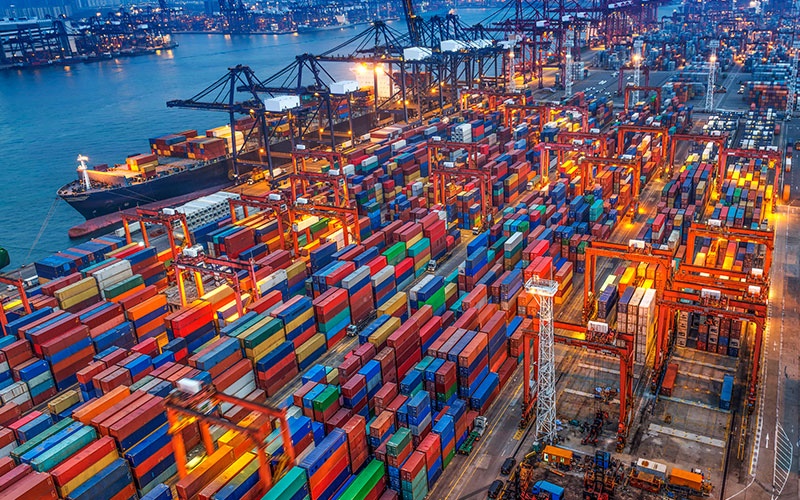
The global interconnection of supply chains has cut steps and obstacles reducing the cost and by extension the price of products for sale to the public, the chain works, although many complain about it.
But the covid19 pandemic has paralyzed this chain, has slowed down the unifying process of the supply chain. Many of the obstacles that previously existed and that so many years, sweat and work cost to eliminate, are back.
We have returned to closer and more accessible suppliers, although not prepared, in many cases in our geographical environment and logically at less affordable prices than international ones.
Production has been relocated and depends on many countries, especially on the Asian continent.
Transportation is slower and with higher costs given the restrictions and new health costs to avoid contagion among workers. New disinfection processes have even been created for products in transit, with new packaging or plasticization of the shipment.
Everything has slowed down.
I am talking about supply chains and their connections, not the transport or delivery market, which as we well know has been revitalized with internet shopping in this pandemic given the restrictions in the world.
But instead of seeing it as something negative, we can think of this pandemic as a reset button, the era of globalization was very fast, without control and where greed and control monopolized a positive and beneficial system, and manipulated it to the liking of few and although it is a system that helps more than hurts, it needs an update.
Now is the time to fight for change, from within. Initiate honest and fair contacts between merchants and suppliers. New credit processes and terms between logistics tiers, creating balances between cost, quality and efforts without penalizing for countries or cultures. Maintaining fair working and salary conditions
Connecting regional, national and international supply chains defending principles of competitiveness and quality that will eventually be reflected in the final consumer and the chosen product or service.

I understand that after reading this last paragraph, you are calling me crazy, old or even naive, surely you are thinking about Amazon and the control and power it has in the global supply chain. But, if we do not try and fight for transparency, accessibility and fluidity but in a fair and profitable way for all parts of the chain, the large distributors will continue to control the global supply and increase their control at each rung of the economic ladder.
I know that the consumer has not changed, we continue looking for cheaper prices and faster service, and logically, that is difficult to balance with the opportunities that I suggest in this article. But these changes can bring better conditions, higher quality products and creation of specialized employment in our regions.
Let’s not forget that the supply chain is there to serve us, not the other way around.

 Whatrichardsaid
Leave a comment